
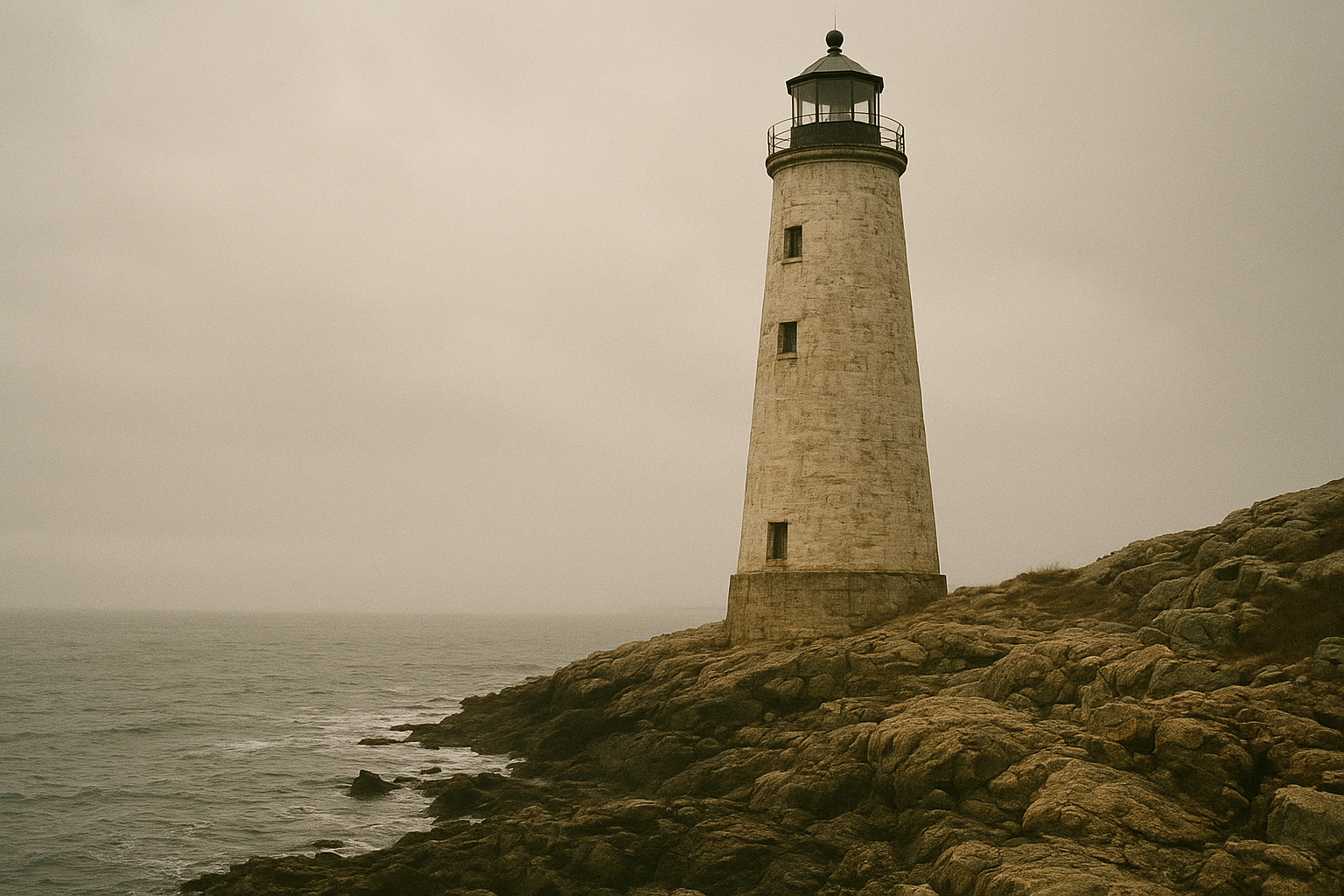
Northern coastal lighthouse standing on a weathered shoreline under moody natural light with warm archival film character

Northern Coast Lighthouses Archive

Discover lighthouse history through archival photography, keeper voices, and a clear guide to preserved towers along the northern coast.

  • Archive Photos
  • Keeper Stories
  • Preserved Towers

Coastal History Context

Why the Northern Coast Lighthouses Mattered

Along this coast, lighthouse towers translated wind, fog, and shifting shoals into readable guidance, helping crews thread uncertain waters while anchoring the communities that kept watch through long seasons.

Navigation Signals

Distinct lantern rhythms gave mariners a dependable language when landmarks disappeared in haze.

Weather Exposure

Keeper stations stood where gales struck first, turning daily endurance into practical maritime safety.

Preservation Legacy

Restored towers now preserve regional memory, linking present-day visitors to working coastal histories.
Navigation
Light patterns and tower positions offered dependable orientation in low-visibility passages.
Storms
Exposed headlands made each station an early warning point during rough weather.
Preservation
Conservation keeps both the structures and their keeper narratives in public memory.

Keeper Stories

The Human Rhythm Behind the Lantern

Notes in the archive reveal ordinary routines made extraordinary by weather, isolation, and duty along the northern coast.

Lead Journal Excerpt

Night Watches and First Light Rounds

In these pages, the keeper’s day is measured by repeated checks, careful cleaning, and a constant awareness of sea and sky. The work feels quiet in writing, yet every line carries responsibility.

We kept the lamp steady so strangers could pass safely through weather we could not tame.

Compiled from recurring themes in archival logs and oral recollections.

Supporting Note

Winter Silence, Shared Discipline

Entries describe long stretches of quiet broken by checks of the beam, weather notes, and small acts of maintenance that kept the station dependable through the season.

Supporting Note

Families at the Edge of the Sea

The archive also reflects domestic life: meals timed between duties, children learning wind and tide by instinct, and evenings shaped by the turning lantern overhead.

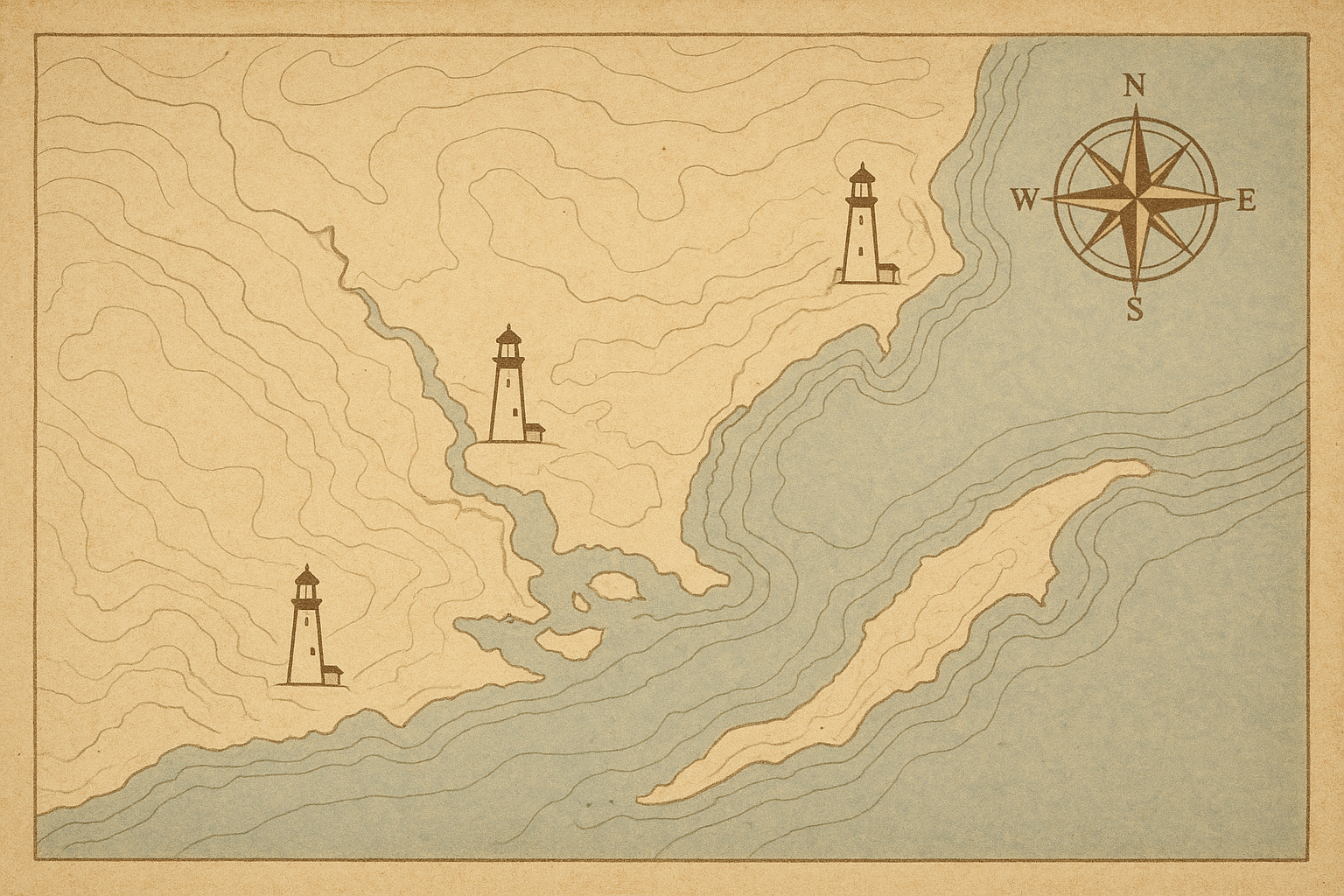
Preserved towers guide

Where the surviving lights still stand

A reference view of four preserved northern-coast towers, pairing place labels with concise preservation notes for quick archival orientation.

Illustrated archival-style coastal reference map with shoreline contours and lighthouse markers along the northern coast
Illustrative archival reference panel (non-interactive)
  1. North Head Lantern Tower

    Stone Inlet • Outer Breakwater

    Repointed in lime mortar during the 1998 stabilization campaign; lantern room remains original to the 1874 rebuild.

  2. Grey Shoal Beacon

    Harbor Reach • Tidal Causeway

    Cast-iron gallery restored with period-accurate railing profiles, preserving the tower’s early navigational silhouette.

  3. Windward Cliff Light

    Cape Alder • High Bluff Line

    Cliff-drainage works completed in 2011 now protect the masonry base from recurring winter erosion.

  4. Harbor Watch Lower Light

    Old Quay • Estuary Approach

    Timber service stair replaced in matching hardwood and documented as part of the municipal heritage register update.

Archive FAQ

Practical questions, clearly answered

A quick reference for common questions about scope, sources, and preservation across the Northern Coast Lighthouses Archive.

Which stretch of coast does the archive cover?

The collection follows the northern coastline from the estuary headlands to the outer island approaches, with entries grouped by district and harbor line.

Do all of the featured towers still stand?

No. Some towers remain active or preserved, while others survive as ruins, foundations, or documented sites known only through records and photographs.

What kinds of keeper stories are included?

Entries include duty logs, weather incidents, family routines, and oral histories that show both the technical work and daily life around each station.

How is the archive organized for browsing?

Content is arranged by coastal region first, then by tower. Each record links photographs, dates, keeper accounts, and preservation notes in one concise page.

Why does lighthouse preservation matter today?

These towers hold navigational, architectural, and community memory. Preserving them protects evidence of coastal life that written summaries alone cannot replace.